
How to Design Brand Experiences for Gen Z: 4 Rules That Matter
At Westfield Rise, we see many briefs aiming to target Gen Z. This group is at the top of most CMO’s agendas – how do you access them, how to engage, and how should it shape marketing and branding. Gen Z are more connected than ever, yet the need for genuine connection in the real world is at an all high. With rising anxiety and loneliness levels for this age group, it’s important to understand where should brands play, how do we design for them and what is the role for the third space and brands?
We often talk about the battle of attention, but the question has to dive deeper into how do we create brand experiences that are worth Gen Z’ers quality attention.
Westfield Rise surveyed Gen Z consumers across seven key European markets: the UK, France, Germany, Spain, the Netherlands and Sweden. It explored what this generation looked for in a brand experiences, what would make them participate and what the role of physical spaces is in the age of content over-load.
What Does Gen Z Want From Brand Experiences?
Four guidelines for how we design brand experiences emerge.
Give value: how to lead with an immediate benefit for Gen Z
Keep it real: allow the space for Gen Z to decide what is authentic to them
Create connection: design for groups and sociability, not shareability
Make it feel special: lean into the joy of joining in and discovery
Rule 1: Give Gen Z value before asking for attention
There has been a shift over the last few years, where advertising isn’t just about the loudest message and the biggest reach. We could survive on interruption as the main hook – find the audience, capture attention and push the message. But for Gen Z, who are surrounded by messages, and have grown up around advertising across all channels, there has been a stronger focus on the value exchange.
When we asked what makes this generation engage with a brand experience, 61% said getting something valuable in return, making value the top driver highlighted in our research. And that value doesn't necessarily need to be monetary. 31% valued learning something new or getting the opportunity to try something first.
What Does Value Mean to Gen Z?
So, where we used to have a model focused on interruption – the new model is around exchange. This value could be in the form of:
Exclusive access
Learning something
Trying something first
Discovery
Utility or entertainment
The important thing is that people can immediately understand what they are getting from the experience before the brand asks for something in return. Give before you ask, and there is a stronger reason to engage.
Rule 2: Let Gen Z decide what's authentic
"Authenticity" has become one of the most overused words in marketing to Gen Z.
What Does Authenticity Mean to Gen Z?
In the context of physical retail media and brand experiences, authenticity isn't something a brand can simply claim. It's something people decide for themselves. Our research points towards this distinction. The top driver for what makes a brand experience appealing was honesty and transparency, not pushing sales and giving space for trial. Instead of convincing people that a brand is authentic, create the conditions for them to experience the brand and reach their own conclusion. That could mean allowing people to try a product first hand. Giving them space to explore. Making discovery part of the experience. Or resisting the temptation to cover every surface with a brand message. There is a balance. Too much branding can make an experience feel forced. Too little and people may miss the connection altogether.
The opportunity is to give the audience enough space to make an independent judgement.
Rule 3: Design Gen Z Experiences for Sociability, Not Shareability
For years, one of the measures of a successful experiential activation has been whether it is "Instagrammable". But our research suggests there is a more important question: "Is it sociable?"
Half of Gen Z surveyed wanted experiences connected to sociability or community, while social-media shareability was one of the lowest participation drivers discussed in the research. In other words, young consumers aren't necessarily participating in brand experiences because they want something to post. They're participating because they want something to do. Further to this, is something they want to do with their friends. Can friends take part together? Is there an activity that gives people a natural reason to interact? Does the experience encourage participation rather than passive observation?
Social sharing still matters. But it should be treated as a potential outcome of a good experience, rather than the objective that defines it.
Why Physical Experiences Matter to Gen Z
This also helps explain why physical destinations remain significant for Gen Z. In our research, 75% of Gen Z agreed that malls are places to socialise. Separate Westfield shopper research shows 52% of Gen Z shoppers visit shopping centres with friends, versus 27% of total shoppers. That challenges the idea that digital-native consumers have little need for physical retail and spaces. The role of these places is broader than transaction alone. They can also be places to meet, discover, spend time and experience something together.
From Audience to Community: Adidas and HYROX
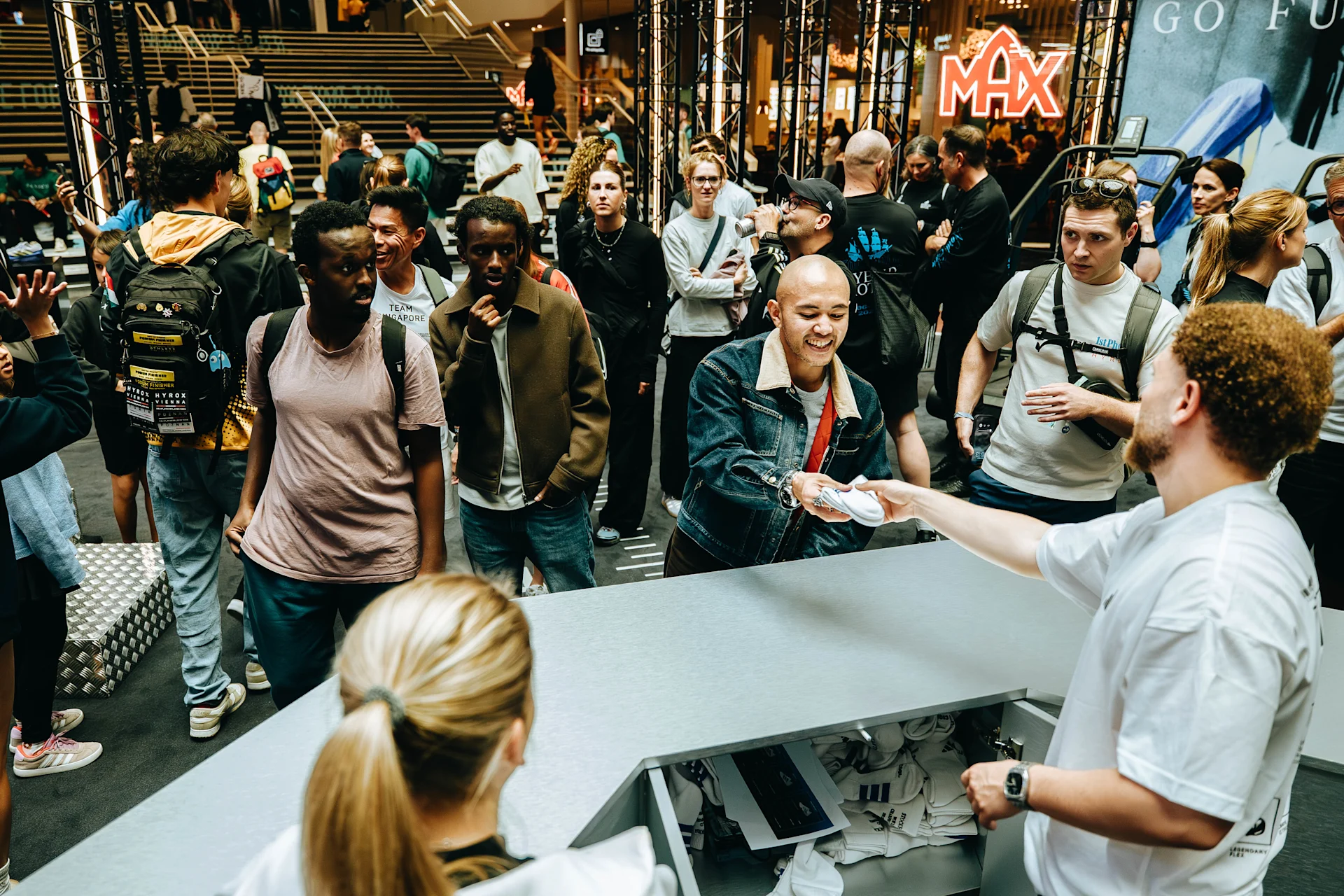
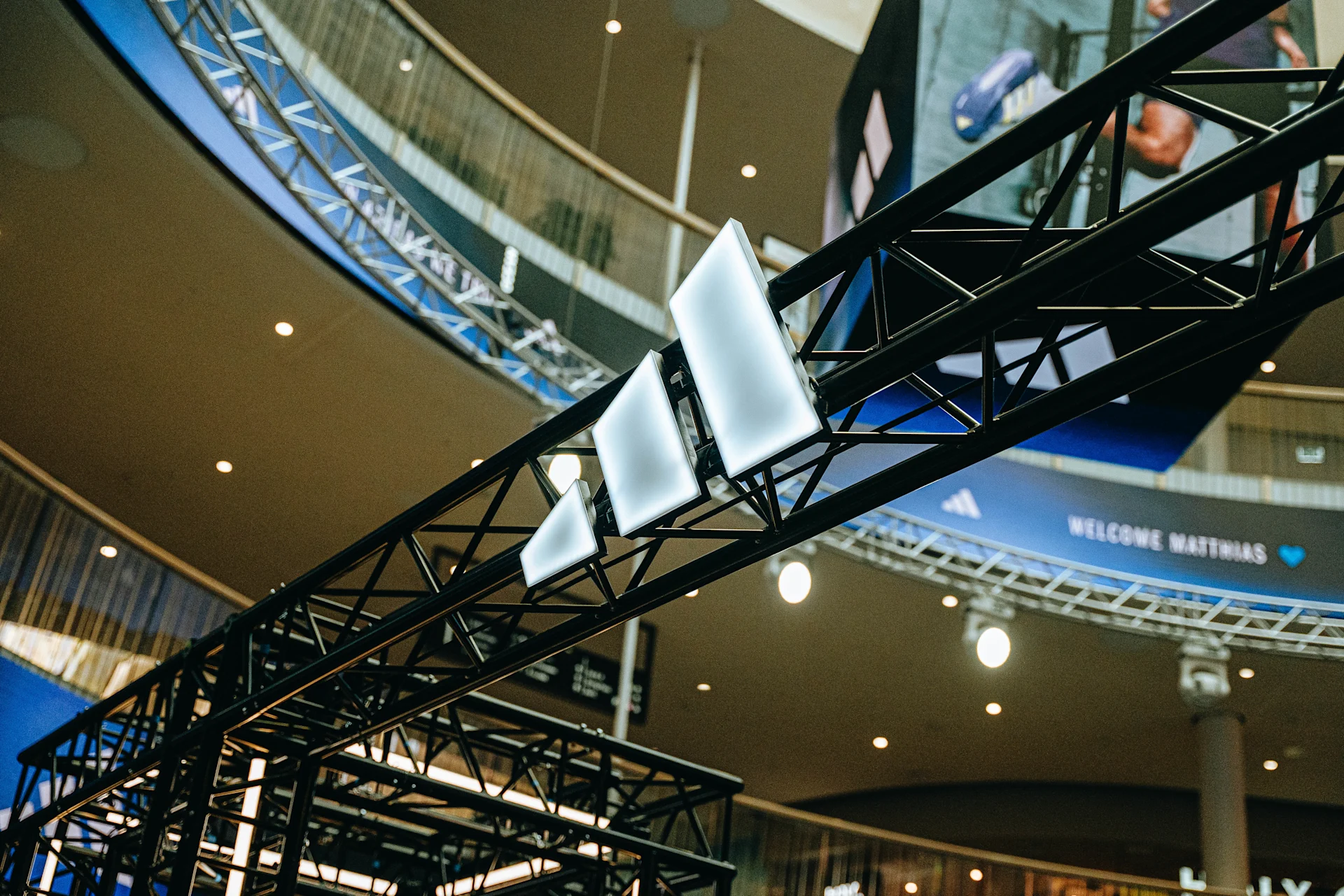
At Westfield Mall of Scandinavia, Adidas built on the growing HYROX community by turning a product launch into something athletes could actively participate in. Around the launch of the Adizero Dropset Pro, the experience gave visitors the opportunity to train, trial the product and engage with the brand beyond race day. The shoe itself was designed for hybrid training, combining running and strength demands. Rather than simply speaking to an existing community, the experience gave that community another reason to come together.

Rule 4: Make it feel special
Some of the most memorable experiences happen when we encounter something we weren't expecting. That sense of discovery matters to Gen Z. Our research found 42% of Gen Z are motivated to advocate for brand experiences that offer uniqueness or exclusivity. A quarter valued experiencing something different, while a quarter valued exclusive access. But exclusivity doesn't have to mean an expensive VIP experience. It can be much simpler in the form of a limited-time experience, the opportunity to try something before everyone else.
Creating Exclusivity Through Real-World Experiences
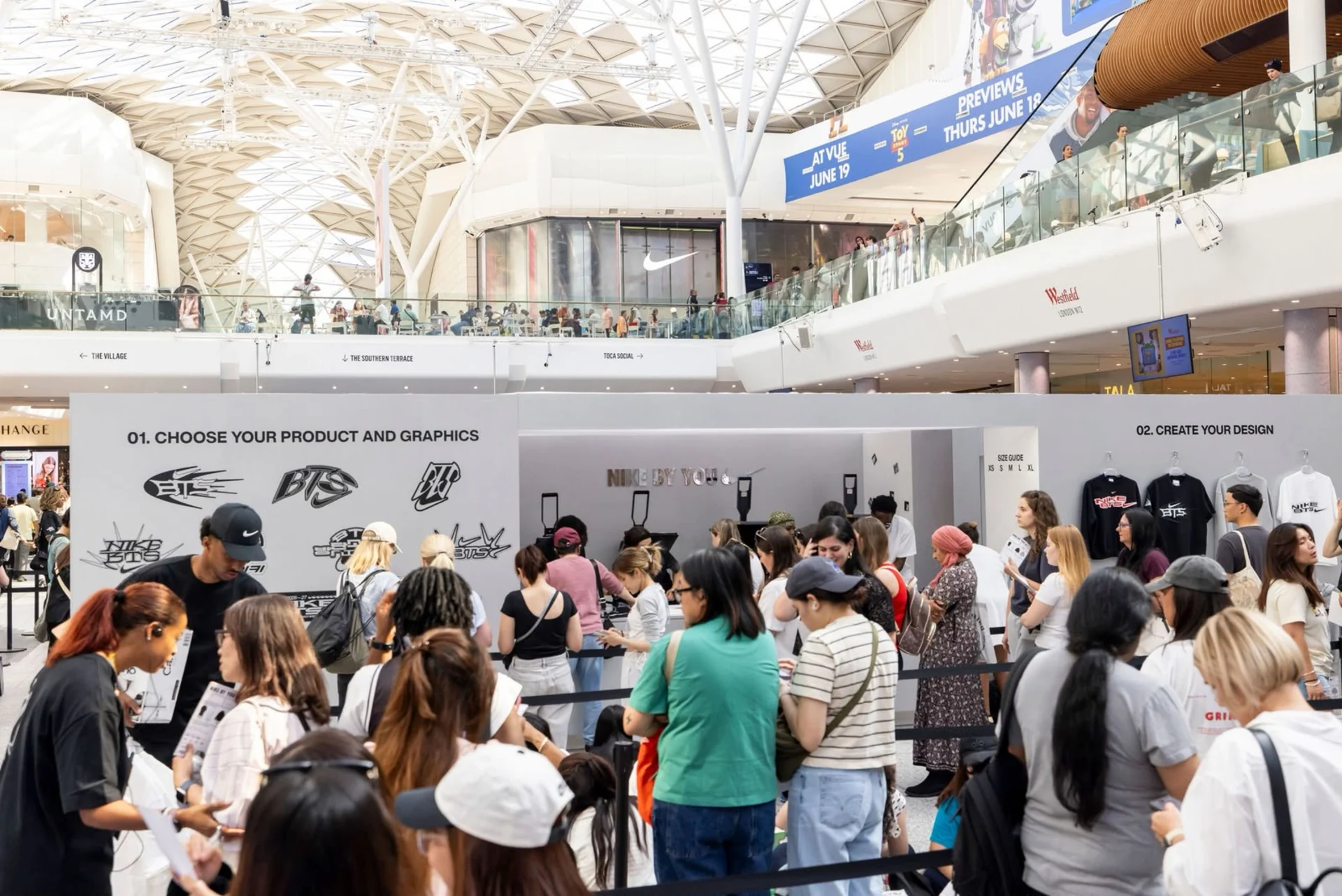
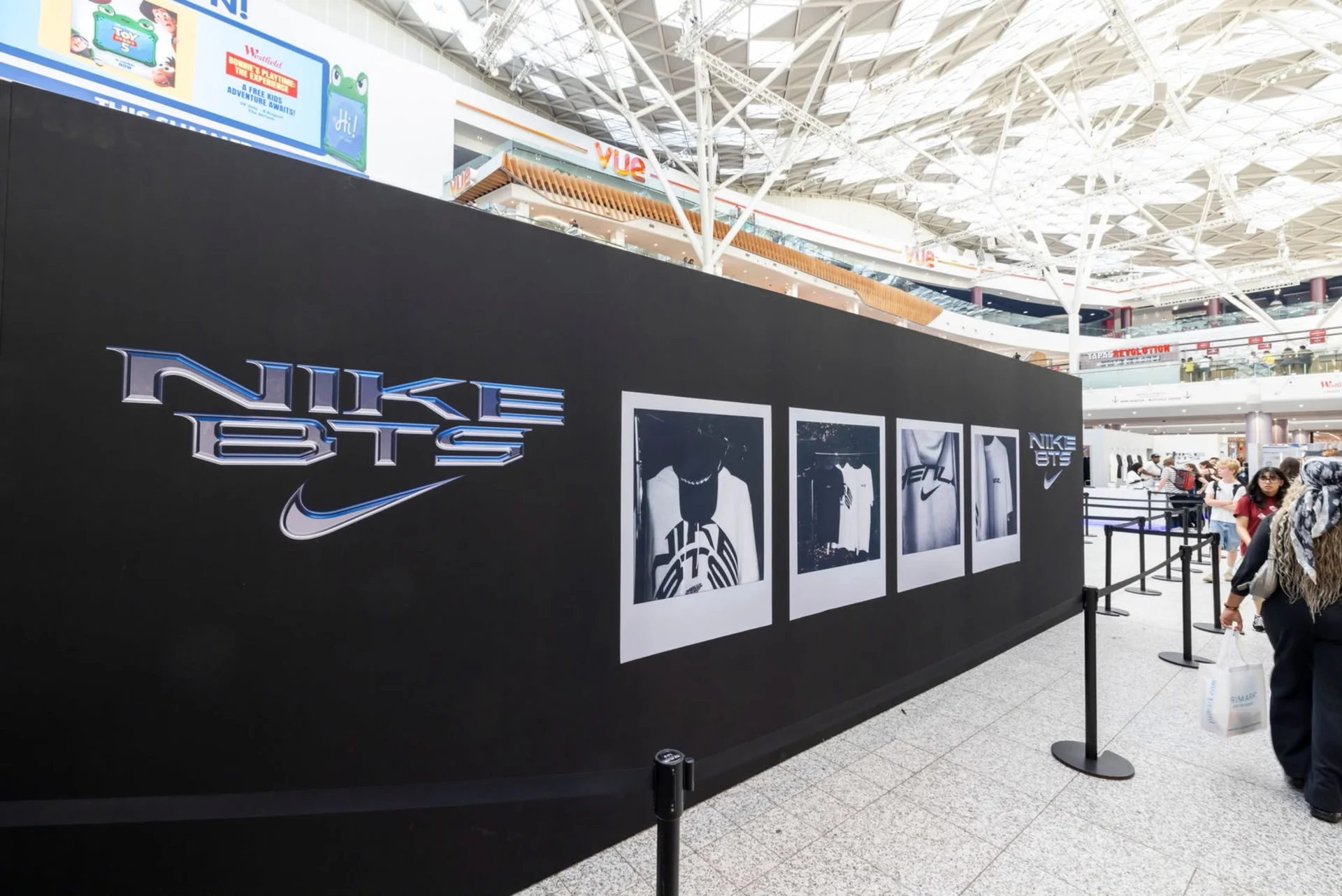
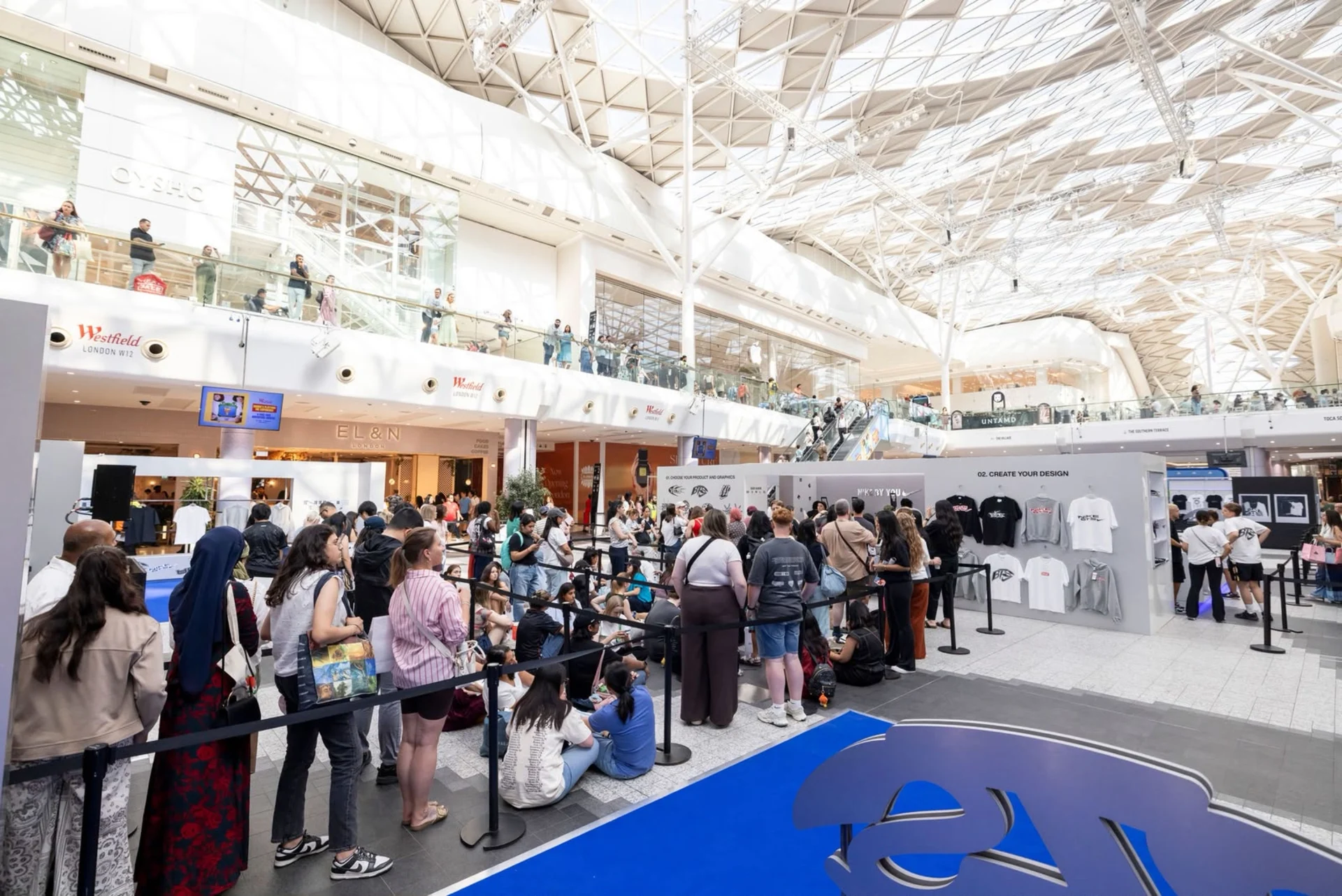
Westfield recently hosted BTS x Nike merch drop with the announcement of the K-pop’s reunion and tour. With the operational capabilities to manage the fans, Westfield London’s atrium was the best space to showcase a limited-time experience, exclusive merchandise and a moment of discovery that felt special to this audience. The important ingredient of it all is that the experience breaks with the everyday. Here, Nike were able to prove special doesn’t mean expensive – it means not ordinary.
How to Create Brand Experiences That Engage Gen Z
The rules, taken individually, don’t give us anything radical. Value, authenticity, sociability and exclusivity. But the opportunity and the value of brand experiences is that this channel can do all four. Our research argues that the important question isn’t simply whether somebody saw your brand, but it asks whether that person cared enough to engage with experience.
Why shopping centres matter to a Gen Z strategy
There has long been an assumption that the rise of digital commerce would make physical retail less relevant to digital-native generations. Our research shows that this story is much more nuanced.
In fact, Gen Z has the highest monthly shopping-centre frequency of the four generations shown in the Westfield shopper. And with one in three shoppers visiting Westfield shopping centres is Gen Z, it is over 230 million annual visits across Europe.
Experiences can move the needle for your brand outcomes. Our research showed the commercial impact that Westfield can bring, with 91% of Gen Z’s across Europe stating that they are likely to take action after a brand experience (whether that be purchasing, talking, researching or going into a store), vs 74% for non-Westfield shoppers. The four rules to engage mean nothing, if the environment isn’t a trusted space.
Which leads us to a simple conclusion:
If you have a Gen Z strategy, you need a mall strategy.
We would love to take you through our research in more detail, and see how we can make your work, work harder in our malls. Contact us at hello@westfieldrise.com and we’d be happy to discuss this research, your plans for Gen Z and our capabilities in more detail!